F&B Strategy
Food Courts and Food Halls: Choosing the Right Format for the Asset
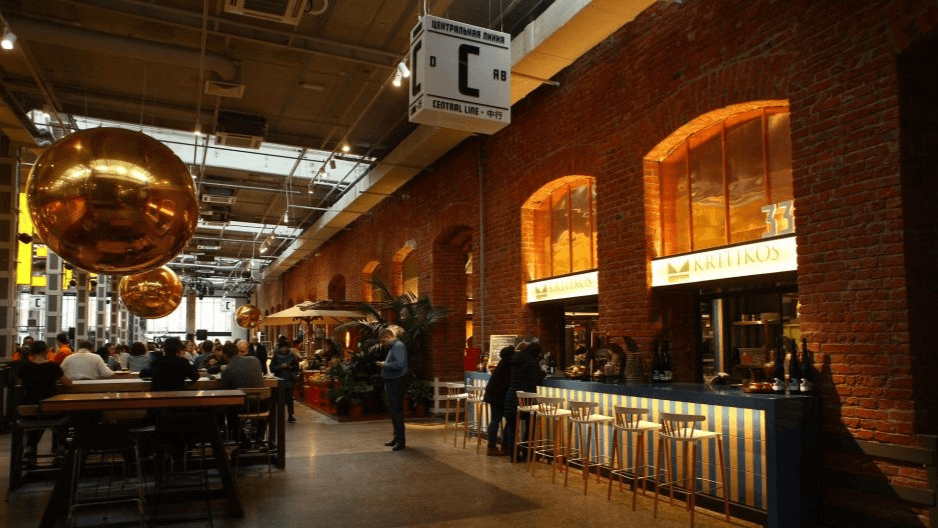
A food court and a food hall can solve different commercial problems. The appropriate format depends on the catchment, price point, visit pattern, operator model and role of F&B within the asset. The decision should begin with those requirements, not a preferred design language.
A food court can provide choice, speed and familiar price points. Its relevance should be assessed through demand, tenant performance and the customer environment, rather than the age of the format. A well-matched offer can remain commercially sound without being repositioned as something else.
A food hall may support a more curated offer and a stronger dining-led identity. That proposition can require active operator selection, coordinated programming and more involved management. The label alone does not define who carries those responsibilities.
Compare operating responsibility first. Identify who manages seating, cleaning, waste, utilities, shared equipment, customer issues and any central ordering system. Define what remains with each vendor and what sits with the owner or a specialist operator.
Then compare curation and continuity. Who selects vendors, monitors standards and replaces an underperforming offer? What happens to the customer proposition and shared income while a stall is vacant? A more flexible mix still needs an accountable management structure.
Finally, test shared costs and vendor viability together. Rent or revenue share is only part of the occupancy burden. Service charges, staffing, utilities, operating hours, fit-out contributions and other shared charges must leave a workable business for the intended operators.
Choose the model before the finishes
For a hypothetical refurbishment, compare retaining a tenant-led food court with introducing a centrally managed food hall. Use the same demand assumptions and identify the different capital commitments, management responsibilities and recurring costs. Test the downside if sales develop more slowly or vendor turnover is higher than expected.
The strongest option is the one the asset can support commercially and operationally. If the case depends on longer visits or spending elsewhere in the mall, identify how that benefit will be measured rather than treating it as automatic.